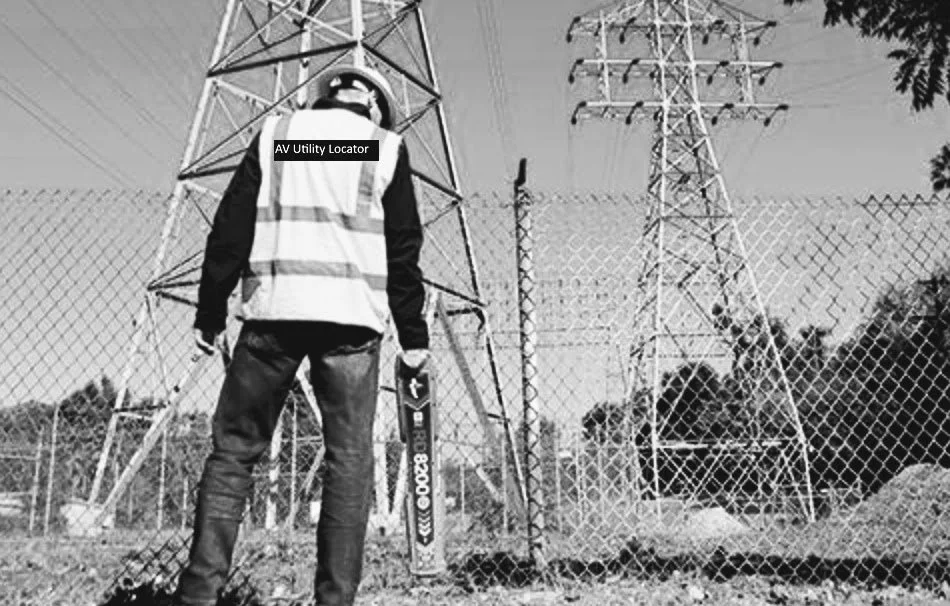
MEMBER OF NATIONAL UTILITY LOCATING CONTRACTORS ASSOCIATION (NULCA): PIPE/ CABLE LOCATING & GPR SURVEY
As cities expanded, utility systems were moved underground to protect critical infrastructure and improve urban development. Water, sewer, gas, power, and telecom lines formed complex underground networks—many are undocumented or inaccurately mapped.
Traditional excavation relied heavily on paper drawings, assumptions, and incomplete records, creating major risks including:
Gas explosions
Electrical strikes
Service outages
Property damage
Worker injury or fatality
The need for safer excavation practices led to the development of underground locating technologies, methodology, procedures and processes.
Emergence of Electromagnetic Locating-
Electromagnetic (EM) locating became the first widely adopted technology for tracing conductive underground utilities.
This method uses:
Transmitters to send signals to metal pipes or cables
Receivers to trace signal paths from above ground
EM locating remains an essential tool for locating:
Metal pipes
Electrical lines
Telecom cables
Tracer wires
Advancement to Ground Penetrating Radar (GPR)-
As non-metal materials like PVC, ABS, Pex, fiberglass, HDPE, and concrete-encased utilities became common, electromagnetic locating alone was no longer enough.
Ground Penetrating Radar (GPR) revolutionized utility locating by allowing technicians to identify:
Non-conductive pipes
Voided spaces
Reinforced concrete elements
Underground obstructions
Unknown or abandoned utilities
GPR works by sending radio waves into the ground and analyzing reflected signals to identify buried anomalies.
Today, combining EM locating + GPR represents the gold standard for utility locating accuracy.
The Future of Utility Intelligence-
The utility locating industry continues evolving through:
Digital mapping
Cloud-based utility records
GIS integration
Drone imaging
3D modeling
Facility lifecycle data management
American Vital Utility Locator is positioned at the forefront of this evolution.
Why Utility Locating Matters-
A single underground utility strike can cause:
Severe injury or death
Gas leaks and explosions
Project delays or shutdowns
Regulatory fines
Repair costs averaging tens of thousands of dollars
Service interruptions to utility grids, hospitals, businesses, and communities
In many jurisdictions, excavation without proper utility locating is illegal. Public 811 services only mark public utilities and often do not provide:
Private utility locating
Utility depth
Abandoned line detection
Detailed mapping
That’s where American Vital Utility Locator provides valuable supplemental protection.